


 28-09-2026
The right choice of development methodology can greatly influence the efficiency of the app. Usually, specialists of the Top Mobile App Development Company assist in making the decision to use either native or cross-platform development methodology depending on the needs of the business.
What Is Native App Development?
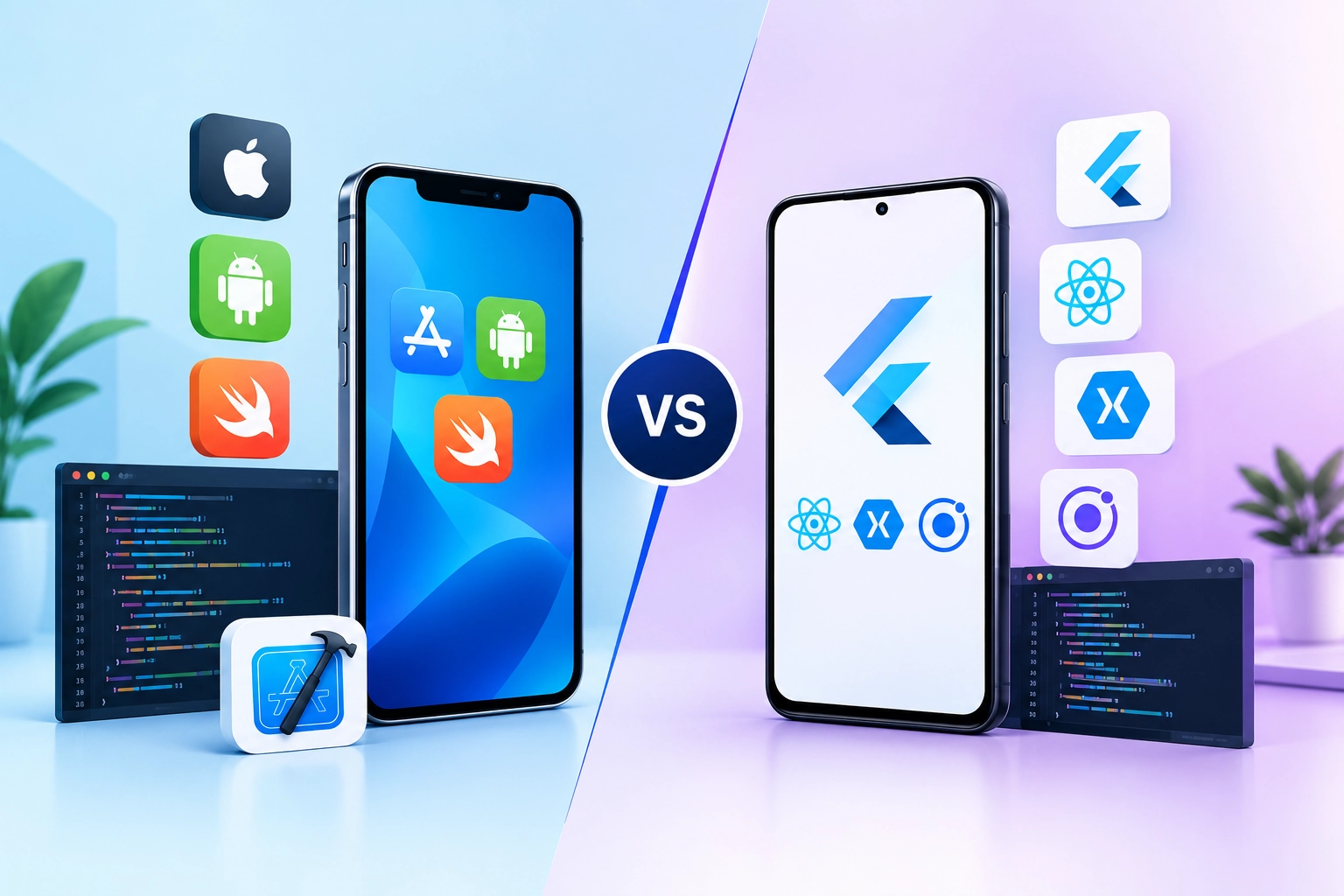
Development of native apps implies development of applications tailored for one particular operating system such as Android App development or iOS. In order to develop native applications, programmers have to use programming languages and development tools that are specific to certain platforms.
The approach to developing native apps may ensure good performance of the application, smooth animations, and enhanced access to the device. It may be a good choice for applications with complex features and functions.
What Is Cross-Platform App Development?
Cross platform development makes it possible for programmers to develop an application that will run on various operating systems by utilizing the same code base. Cross platform development can help save time because the developer does not have to create two applications; one for Android and one for iOS.
The firms which want to develop their application across various platforms can think about cross-platform development if they have efficient management of development resources while keeping consistency in mind.
Native vs Cross-Platform: Key Differences
The main differences between the two methods include:
- Performance: The native app method generally provides better performance because it is developed particularly for a certain platform.
- Development Period: Cross-platform development may shorten development time by using code sharing methods.
- Maintenance: The process of maintenance becomes simple with the presence of code sharing in cross-platform applications; consistent Mobile App Design could lead to maintaining uniformity in user experience across various platforms.
- Hardware and OS Features:In terms of accessing device features, the native application may perform better than the cross-platform method.
How Should Businesses Choose?
Some solutions will be better than others given the use and the technical characteristics of the application. Here are some points that companies should consider when choosing:
- Target Platforms: Know if you need an application for the Android operating system, the iOS operating system, or both.
- Budget:Think about the costs involved with the building and the long term use of the software.
- Performance Needs: Think about whether the app requires graphic-intensive or processor-intensive tasks
- Requirements:Determine the hardware and system features required by the application.
Why Mobile App Design Matters
No matter what development process is followed,Mobile Application Design has a critical function in terms of engagement of users. User interface, easy navigability, responsive layout, and visual consistency could all be aspects that contribute to making an application more user-friendly. Both design and development should not be seen as two different processes.
Webriderz services pvt. ltd.could be a good assistance for businesses who are planning a mobile application in terms of assessing the technical requirements and development processes depending on the purpose of the application. Native or cross-platform development will depend on several factors in the end.
Selecting an appropriate development model during the planning stage will help develop a dependable application in addition to aligning the development objectives with business needs.